


How to Vet an SEO Agency for Technical Audits, Content Strategy & Site Performance
You’ve decided to hire an SEO agency. Maybe your organic traffic has plateaued, your Core Web Vitals scores are dragging down rankings, or you’ve just realized that your content strategy is more guesswork than data-driven. The problem isn’t that you need SEO help—it’s that you need the right kind of help. Too many agencies promise “guaranteed first-page rankings” (a red flag if ever there was one) and deliver black-hat tactics that get your site penalized. This checklist walks you through exactly how to evaluate an agency for technical audits, content strategy, and site performance—without falling for the hype.
Step 1: Verify Their Technical Audit Process
A credible SEO agency starts with a technical audit before touching anything else. If they pitch you a content plan without first crawling your site, walk away. The audit should cover crawl budget, XML sitemap health, robots.txt configuration, canonical tags, and duplicate content issues.
Ask them to walk you through their audit methodology. A thorough technical audit will include:
- Crawlability assessment: They should check whether search engines can access your key pages. This means reviewing robots.txt directives, server errors, and redirect chains. A misconfigured robots.txt can block entire sections of your site from being indexed.
- Indexation analysis: They’ll examine your XML sitemap for errors—orphaned pages, broken links, or URLs that return 4xx status codes. They should also verify that your sitemap only includes canonical versions of pages, not parameterized duplicates.
- Core Web Vitals review: This is non-negotiable. The agency should use Google’s PageSpeed Insights or Lighthouse to measure Largest Contentful Paint (LCP), Interaction to Next Paint (INP), and Cumulative Layout Shift (CLS). If they gloss over web vitals, they’re not serious about site performance.
Step 2: Evaluate Their Approach to Crawl Budget and Site Architecture
Not all pages deserve equal crawl attention. A smart agency understands crawl budget—the number of URLs Googlebot will crawl on your site within a given timeframe. For large sites (10,000+ pages), poor crawl budget management means important pages get ignored while low-value URLs consume resources.
During your consultation, ask:
- How do you prioritize which pages get crawled first?
- Do you recommend blocking low-value parameters or thin content pages via robots.txt?
- How do you handle pagination and faceted navigation to avoid crawl waste?
Risk alert: Some agencies suggest aggressive robots.txt disallow rules that accidentally block important sections. Always audit their changes before deployment.
Step 3: Assess Their Content Strategy and Intent Mapping
Content strategy isn’t just about keyword stuffing or writing blog posts. A top agency maps content to search intent—informational, navigational, commercial, or transactional. They’ll start with keyword research to identify terms your audience actually uses, then build an editorial plan that answers real questions.

Here’s what their process should look like:
| Phase | Activity | Outcome |
|---|---|---|
| Discovery | Analyze your existing content, competitor gaps, and search intent for target keywords | A content gap analysis report |
| Planning | Map keywords to buyer journey stages; create topic clusters | A content calendar with pillar pages and supporting articles |
| Execution | Write or brief content with E-E-A-T signals (experience, expertise, authoritativeness, trustworthiness) | On-page optimized content that satisfies user needs |
| Measurement | Track rankings, organic traffic, and engagement metrics | Monthly performance dashboard |
Red flag: If they promise instant results or claim they can rank you for any keyword within a week, they’re likely using black-hat links or keyword stuffing. Real content strategy takes months to compound.
Step 4: Scrutinize Their Link Building Tactics
Link building remains a cornerstone of off-page SEO, but the methods matter enormously. A reputable agency focuses on earning links through value—guest posts on relevant sites, digital PR, resource page outreach, or broken link building. They should never buy links from private blog networks (PBNs) or use automated tools to spam directories.
When vetting an agency, ask:
- What’s your link acquisition process? Can you share examples of earned links?
- How do you assess the quality of a potential backlink source (domain authority, trust flow, relevance)?
- What’s your policy on disavowing toxic links?
| Tactic | Reputable Agency | Black-Hat Agency |
|---|---|---|
| Link sources | Relevant, authoritative sites in your niche | PBNs, spam directories, paid links |
| Outreach method | Personalized emails with value proposition | Automated mass emails or link exchanges |
| Risk level | Low (occasional manual action if overdone) | High (Google penalty, deindexing) |
| Time to results | 3–6 months | 1–2 weeks (then crash) |
Warning: If an agency offers a “link package” with a fixed number of links per month, be skeptical. Quality links are earned, not mass-produced.
Step 5: Verify Their Core Web Vitals and Site Performance Expertise
Site performance isn’t just about speed—it’s about user experience. Google’s Core Web Vitals are ranking factors, and poor scores can hurt your organic visibility. An agency that claims to handle technical SEO must demonstrate ability to diagnose and fix performance issues.
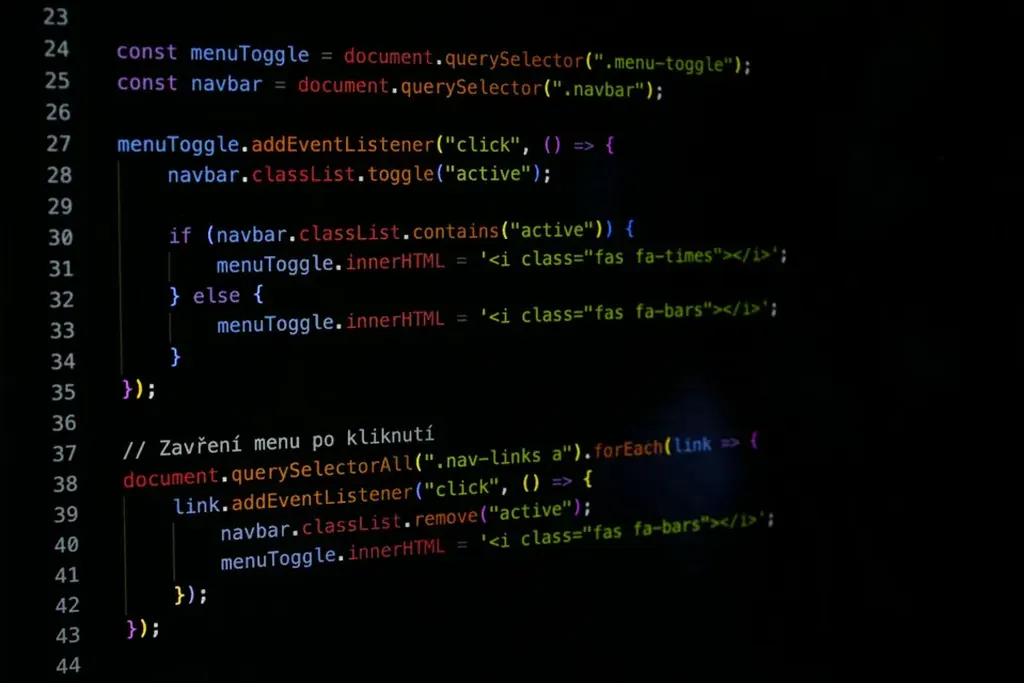
They should be able to:
- Identify LCP bottlenecks (e.g., large images, slow server response times)
- Optimize INP by reducing JavaScript execution time
- Fix CLS by setting explicit dimensions for images and ads
- Implement lazy loading for below-the-fold content
Step 6: Review Their Reporting and Communication Style
You’re paying for results, but you’re also paying for transparency. A good agency provides regular reports that show progress against benchmarks—not vanity metrics like “total impressions” without context. Look for reports that include:
- Organic traffic trends (with comparison to previous periods)
- Keyword ranking movements (by intent, not just volume)
- Core Web Vitals score changes
- Backlink profile growth (new domains, lost links)
- Conversion data (if integrated with analytics)
Step 7: Run a Small Test Before Committing
Before signing a long-term contract, ask for a pilot project. This could be a technical audit of your homepage and top five landing pages, or a content strategy outline for one topic cluster. A reputable agency will agree to a paid pilot (never free—quality work costs money) that lets you evaluate their process, communication, and attention to detail.
During the pilot, pay attention to:
- Speed of delivery: Do they meet deadlines?
- Depth of analysis: Do they identify specific issues or just generic recommendations?
- Actionability: Can you implement their suggestions without additional research?
Final Checklist: What to Ask Before Hiring
Here’s a quick reference to use during agency pitches:
- Can you show me a sample technical audit report from a client in a similar industry?
- How do you handle crawl budget for sites with 10,000+ pages?
- What’s your process for mapping keywords to search intent?
- How do you earn backlinks, and what’s your disavow policy?
- Can you walk me through a Core Web Vitals optimization you’ve done?
- What metrics do you report on, and how often?
- Can we start with a paid pilot project?
For more on building your own SEO foundation, check out our guides on technical SEO audits and content strategy planning.
Reader Comments (0)